Choosing a new pan more commonly sounds like status at a crossroads. In one direction: the time-established reliability of stainless-steel, loved via cooks for its warmth regulate and toughness. In the other: the smooth launch of nonstick, which grants tension-unfastened breakfasts and swift cleanups. What if you would have both? That’s the promise behind hybrid cookware like Cookcell and HexClad. Both manufacturers pitch themselves as offering the highest quality of the two worlds - chrome steel efficiency with nonstick convenience - but their tactics, pricing, and results aren’t equal.
After spending months rotating each Cookcell and HexClad portions by means of my abode kitchen and speaking shop with fellow cooks, I’ve collected enough grease-splattered archives to be offering a few real-international point of view. Here’s how these two hybrids examine in the case of performance, design, longevity, and fee.
The Hybrid Revolution: Why Mix Stainless Steel With Nonstick?
For many years, chefs faced a trade-off. Stainless metal pans excel at browning meats and setting up fond, that sticky layer of taste so basic for pan sauces. They’re rugged adequate to take prime warmness and steel utensils but can frustrate each person trying to turn an egg with out it sticking or tearing.
Nonstick coatings resolve the discharge difficulty yet include their own baggage. Traditional PTFE-based mostly coatings (consider Teflon) put on down over the years, highly if used on top warmth or with metal gear. And once scratched or degraded, they can’t be restored.
Hybrid pans like Cookcell and HexClad intention to bridge this divide making use of laser-etched styles that expose stainless-steel “peaks” above a nonstick “valley.” This creates a cooking floor wherein food contacts equally materials: the metal for searing and crisping, the nonstick for less difficult liberate.
If you cook dinner multiple ingredients - from seared steak to mushy omelets - this approach has visible charm. But now not all hybrids are created equal.
Side-with the aid of-Side: What Sets Cookcell and HexClad Apart?
Although equally brands objective related buyers (domicile chefs trying versatility), their products diverge in numerous worthwhile tactics:
Construction Details
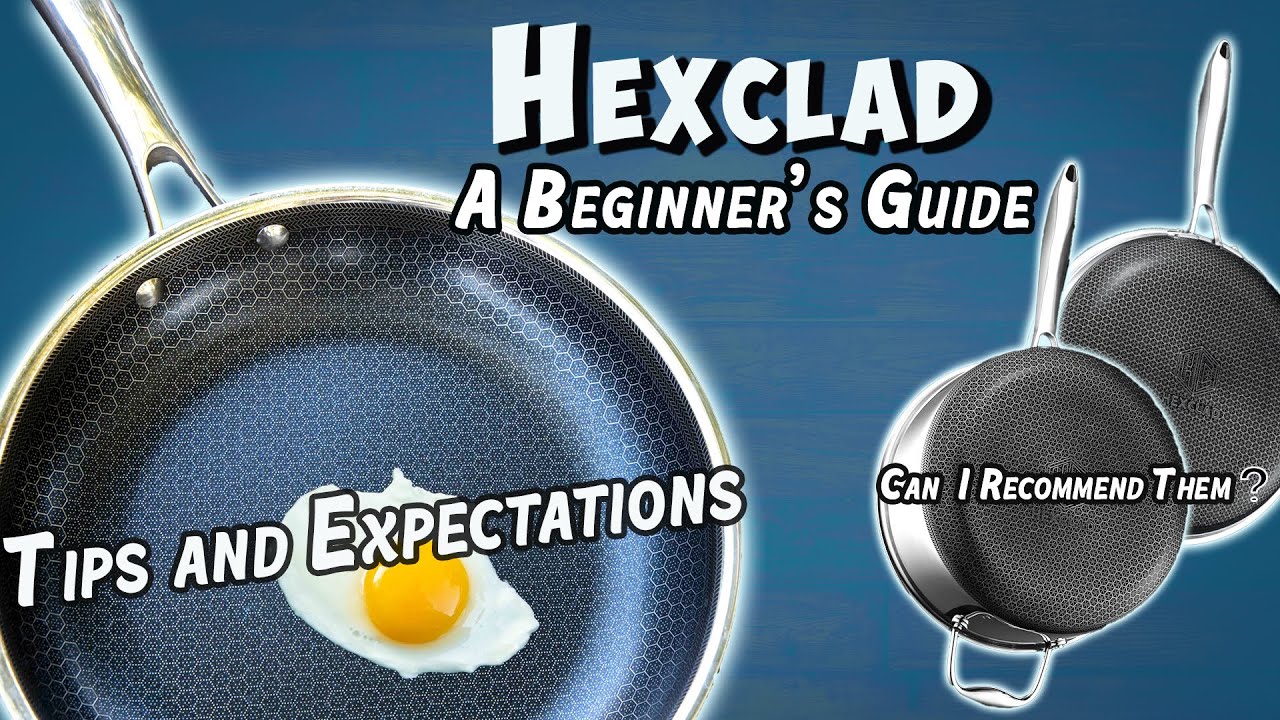
HexClad uses a tri-ply construct: magnetic chrome steel on the bottom for induction compatibility, an aluminum middle for even heating, then every other layer of stainless on upper. The signature honeycomb development is laser-etched into the uppermost layer previously it’s coated with PTFE-based nonstick.
Cookcell takes a barely extraordinary route. Their pans characteristic a 3-layer architecture as neatly: 18/10 stainless inner surface (a fave grade between cooks), an aluminum core, then induction-competent stainless outdoors. The key visible big difference is inside the lattice trend etched into Cookcell’s surface - greater grid-like than HexClad’s honeycomb - which exposes extra metal on regular.
In hand, equally believe sturdy and weighty with out being unwieldy (the ten-inch sizes clock in between 2–3 lbs). Handles remain cool at stovetop temperatures but get scorching close open flames or after elevated oven use.
Cooking Experience
Let’s speak about how these pans behave on an truly range.
HexClad heats evenly across its base because of that aluminum middle; I not often see warm spots when browning chook breasts or shallow-frying cutlets. The nonstick final result is robust out of the box - eggs slide loose with minimal oil in early months - notwithstanding after six months’ widespread use you want a dab extra fat for mushy ingredients like crepes.
Cookcell fits HexClad in typical heating yet seems to brown simply barely more effective closer to its core by reason of added-uncovered steel latticework. This capacity meat caramelizes fantastically with less threat of caught bits provided that you preheat true. On eggs or pancakes, I observed most effective minor sticking when using butter or oil; dry-cooking is never beneficial notwithstanding logo claims.
Both permit use of steel utensils consistent with their manuals; however it, repeated scraping will eventually mar even “scratch-resistant” surfaces over years in place of months.
Cleaning Up
Here’s in which hybrid pans promise magic: speedy cleanup with out babying your cookware.
HexClad recommends hand washing but tolerates dishwasher cycles in certain cases (they warning it could actually boring shine through the years). Most filth slides off beneath hot water with a sponge; merely burnt-on sugar or cheese required mild scouring with a nylon pad in my assessments.
Cookcell is both forgiving most days but suggests a bit less staining from tomato sauce or curry by way of its shinier finish. Both withstand discoloration better than finances nonsticks but get advantages from periodic deep cleaning - Bar Keepers Friend works wonders as soon as each and every few weeks when you wish them shopping showroom refreshing.
Durability Under Real-World Use
No pan lasts all the time if abused; even prime-tier thoughts will degrade turbo if overheated or wiped clean carelessly.
With Hybrids like these, what subjects is how gracefully they age underneath basic home prerequisites:
After twelve months of steady use (3–five instances in step with week), my HexClad showed faint wear along its pattern traces yet no meaningful loss of functionality. Pitting was absent; moderate dullness advanced around rim edges due to stacking towards other pans.
The Cookcell held up similarly good however retained gloss longer; perchance by means of its denser lattice exposing greater naked metallic between nonstick valleys. Eggs have been still conceivable at month twelve even though no longer extremely as slick as day one - approximately par for first-rate nonsticks beneath moderate use.
The Achilles heel remains excessive warmness misuse: crank either pan empty over max flame and also you’ll in the end damage the coating the place it sits lowest inside the pattern gridwork. Using reasonable-to-prime warmness as a replacement preserves lifespan dramatically.
Performance With Different Foods
A pan’s worthy comes right down to what lands for your plate. Here are some eventualities drawn from certainly foods:
Searing proteins: Both manufacturers bring actual Maillard https://johnathanipwj871.theburnward.com/hybrid-cookware-compared-why-choose-cookcell-over-hexclad-or-vice-versa reactions while preheated solely with enough oil; thin steaks decide upon up color immediate without sticking while you circumvent transferring them too quickly. Eggs and pancakes: Early life favors HexClad very a bit for pure slip-thing; after numerous washes they operate almost identically presented you upload fats. Acidic dishes (tomatoes/wine): Neither pan pits from short-time period exposure although nor is immune indefinitely. Baking/broiling: Both manage oven temps as much as round 500°F with out warping; handles develop warm so forever seize potholders. Stir-fry/vegetables: Quick tosses work effectively as a result of rounded facets (enormously of their wok fashions); not anything clings stubbornly unless cooking dry. One caveat bears repeating: no hybrid basically matches forged iron for crust-development nor basic PTFE-purely surfaces for extremely-low fats egg cookery long-time period. Still, these hybrids occupy an impressively large center floor that fits such a lot residence necessities daily.
Comparing Price Points
Sticker shock hits tough here in contrast to division store pans:
A single 10-12 inch skillet fees anywhere from $one hundred twenty–$180 based on revenues and save promotions. HexClad has a tendency toward greater pricing according to piece but offers usual bundles on line. Cookcell infrequently undercuts via $10–$30 at significant outlets. Sets offer savings in line with piece but constitute higher investments up front ($three hundred–$600+). Are they worth it? If you’re exchanging two or three diminish-conclusion pans every few years when you consider that coatings flake or warp develops, making an investment once starts making feel financially around year 3 or 4 elegant on traditional replacement rates accompanied amongst critical dwelling house cooks I understand individually.
Design Choices That Matter
While aesthetics aren’t every little thing in cookware, there are small touches price noting:
Handles are riveted securely on equally brands; neither wobbled after dozens of dishwasher runs. Lids come tempered-glass preferred for maximum units even though some strong point goods deliver lidless. Pouring lips are reward on precise sizes (chiefly sauté shapes), serving to control messes for the duration of sauce savings. Induction compatibility covers all recent fashions validated. Stacking isn’t proper when you consider that hybrid patterns fluctuate somewhat in peak—plan garage consequently if house-starved. These may sound minor except you’re juggling hot saucepans mid-recipe or desire each inch internal your cupboards.
When To Choose One Over The Other
Not each kitchen desires or wants hybrid technological know-how far and wide — on occasion specialised equipment serve more desirable than jack-of-all-trades tools — but right here are events wherein each one shines:
Choose Cookcell if:
You desire added browning power for proteins
You wish marginally more uncomplicated cleaning after acidic sauces
You decide on bright finishes that conceal wear longer

Choose HexClad if:
You love extremely-effortless egg flipping immediately out of the box
You lean towards heavier lids/pans that grasp warmness somewhat longer
Both make credible day after day workhorses if handled properly — which means slight warmness usage, standard soft cleaning, occasional deeper scrubs — provided that you don’t predict miracles on zero-oil omelets after years of abuse.
A Quick Comparison Table
| Feature | Cookcell | HexClad | |---------------------|-----------------------------|----------------------------| | Surface Pattern | Grid lattice | Honeycomb | | Interior Material | 18/10 Stainless + PTFE | Stainless + PTFE | | Core | Aluminum | Aluminum | | Induction Safe | Yes | Yes | | Dishwasher Safe | Yes* | Yes* | | Warranty | Limited Lifetime | Limited Lifetime |
*Occasional dishwasher use endorsed by brand; everyday cycles could uninteresting finish over years.
Common Questions About Hybrid Pans
Having fielded tons of questions from pals weighing “cookcell vs hexclad,” I detect targeted topics repeat:
Do hybrids in actuality update natural nonstick? Not solely—in case your primary objective is every day fats-free omelets for years on finish, conventional PTFE-only surfaces last longer ahead of losing slipperiness (assuming mild dealing with). But hybrids outperform normal nonsticks far and wide else with the aid of tolerating better heat and rougher therapy without prompt failure.
Will foodstuff stick besides? Sometimes—relatively if preheating is skipped or no oil/fat is used at all—however a ways less than simple chrome steel would less than related instances. Mastering preheat timing solves such a lot matters inside days of perform.
Can I deglaze those pans? Absolutely—just circumvent gouging instantly at full boil with sharp-edged spatulas.
A Simple Checklist Before You Buy
If you're torn among Cookcell and HexClad (or any hybrid), ponder this brief tick list:
What do you cook typically? How tolerant are you about hand-washing as opposed to dishwashing? Do aesthetics topic much—will noticeable scratches annoy you? Is induction compatibility required now or quickly? Are bundled set deals beautiful—or do you want buying singles?Running via those questions narrows options speedily—and should disclose regardless of whether sticking with conventional cast iron/skillet plus one midrange nonstick could serve just as effectively.
Final Thoughts From Daily Use
Neither Cookcell nor HexClad reinvents normal chemistry—the legal guidelines governing browning reactions haven’t changed—however they do provide whatever truely beneficial for busy abode chefs who crave flexibility without fussing over fragile coatings each meal.
After a whole bunch of breakfasts flipped onto plates at morning time prior to college runs—and simply as many moved quickly dinners cooked whereas chasing time cut-off dates—I in finding myself accomplishing typically for whichever hybrid pan happens to be clean at arm's reach that night other than obsessing over emblem labels stamped below.
In short: either bring what they declare in all fairness if handled accurately—and both might anchor many kitchens trying to find one loyal device that bridges tradition with comfort just enough to make weeknight cooking more easy devoid of sacrificing too much joy alongside the method.