The contemporary dwelling cook dinner faces a barrage of preferences relating to cookware. For years, nonstick pans promised mild cleanup and comfortable omelets, but their coatings more often than not flaked or wore out within a couple of seasons. Stainless metallic offered sturdiness and searing capability, however demanded cautious manner to steer clear of stuck-on messes. The beyond decade has obvious an interesting innovation: hybrid pans that blend chrome steel’s toughness with nonstick convenience. Two manufacturers stand front and heart during this communique - HexClad and Cookcell.
Both declare to supply the first-rate of each worlds. Both boast miraculous “honeycomb” metallic patterns fused with slick coatings beneath. Both command top rate charges and celebrity endorsements. Yet after spending months cooking every thing from scrambled eggs to seared steaks in each, I’ve discovered that actual-international overall performance reveals meaningful adjustments.
Let’s dig into how HexClad and Cookcell stack up in drapery high quality, design, usability, longevity, settlement, and the refined exchange-offs that subject such a lot at the stove.
Why hybrid pans caught fire
Hybrid pans arrived as a right away answer to the shortcomings of each usual nonstick and all-metal cookware. Early Teflon-coated skillets made eggs slide like magic for a long time yet misplaced their allure at once. Once the coating scratched or deteriorated - generally in beneath a yr - nutrition began sticking whatever your finesse.
On any other hand, stainless steel excels at browning proteins and setting up fond for pan sauces. But it'll be unforgiving with mushy foods or when you omit the true preheat window with the aid of even 30 seconds.
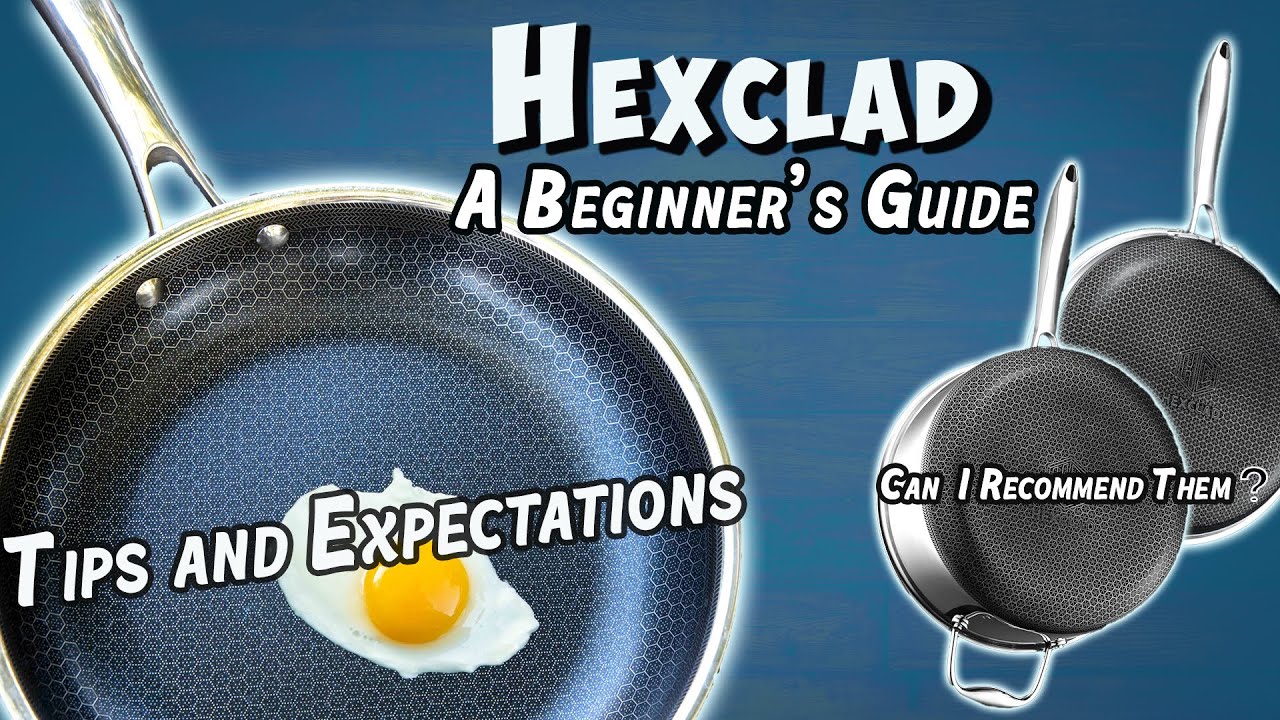
Hybrid expertise makes an attempt a middle course: laser-etching a raised steel lattice over a PTFE (nonstick) base layer. The suggestion is inconspicuous but suave: meals sits mostly on steel “peaks,” secure from direct metal utensils via the valleys of nonstick below. In conception, you get browning devoid of stickiness - inclusive of added durability.
HexClad popularized this appear inside the US around 2017 with splashy marketing and Gordon Ramsay’s stamp of approval. Cookcell entered later as an immediate competitor, promising same results at moderately cut back rates.
First impressions: Unpacking layout choices
At first glance, equally HexClad and Cookcell hybrid pans look futuristic - sparkling stainless rims encircle dark interiors etched with hexagonal or honeycomb styles. But preserve them area by using area and sophisticated distinctions emerge.
HexClad skillets sense hefty for their dimension; my 12-inch variety tips the size at just underneath 3 pounds (devoid of lid). The tri-ply construction sandwiches an aluminum core among two layers of stainless-steel for even heating throughout the bottom and up the perimeters. The maintain has a extraordinary ergonomic curve with deep cutouts below - completely satisfied for lengthy sauté periods yet more likely to getting heat close to high flame.
Cookcell pans run rather lighter in hand (my 11-inch edition is ready part a pound less than its HexClad an identical). Their triple-layer build feels sturdy but now not notably as great as HexClad’s thicker partitions. The manage profile is more angular however remains cooler longer attributable to enhanced airflow round its attachment point.
Both be offering oven safe practices as much as 500°F (260°C), even though I’ve pushed every just beyond this during broiler checks without warping or obvious break.
One layout determination worth pointing out: HexClad’s hexagonal trend covers essentially each millimeter of cooking surface other than for a skinny rim near the wall; Cookcell’s honeycomb motif leaves a bit wider “bare” borders at area transitions. This doesn’t impact function plenty until you’re pouring off sauces or flipping good sized objects accurate opposed to the sidewall.
Real-global cooking assessments: Eggs, steak, vegetables
Marketing claims mean little with out time on the range. Over countless months I rotated either brands by means of breakfast scrambles, crispy-skinned salmon fillets, caramelized onions, stir-fried peppers - even pancakes on lazy weekends whilst kin desired fast cleanup.
Eggs are commonly the place nonstick shines or fails dramatically. With every new pan (after following company seasoning instructional materials), I cracked three wide eggs into calmly buttered surfaces set over medium-low warmness.
HexClad stunned me on day one: eggs slid quite simply with in basic terms minimum coaxing from my spatula part; no noticeable residue remained after plating up. By comparison, Cookcell required only a contact extra fat (approximately 1/2 a teaspoon) to solely keep sticking in early makes use of - seemingly attributable to marginally much less competitive nonstick exposure between its raised steel strains. After 4 weeks’ smash-in duration on both pans, performance close to equalized; neither demanded heroic effort for best possible sunny-facets or omelets later on.
Moving as much as proteins like white meat thighs or sirloin strip steaks revealed a different edge: browning ability. Traditional pure-nonstick pans battle right here on account that they don’t succeed in Maillard-friendly temperatures earlier than their coatings degrade or discolor permanently above 450°F (232°C).
Both hybrid designs taken care of mild-to-prime heat well when preheated empty for three mins over medium-top gas burners. With HexClad I noticed a bit extra pronounced grill-like marks in which steak edges met stainless peaks; Cookcell gave an excellent crust but marginally less dramatic sear strains by using shallower etching intensity.
Vegetables benefited from rapid warmness switch due to aluminum cores in either brands - onions grew to become golden with no burning sugars onto naked spots as happens with more cost-effective tri-ply knockoffs that skimp on center thickness.
Cleaning up: Scrubbing certainty vs promises
After dinner comes cleanup - where many cooks variety lasting opinions approximately cookware loyalty.
Here’s in which hybrid designs diverge so much sharply from basic nonsticks: their raised metal gridwork makes cleansing trickier if residue receives trapped between “peaks.” Neither company permits you to virtually wipe away every last trace with one paper towel swipe as it's possible you'll do with new ceramic-coated pans.
HexClad responds nicely to warm water rinses perfect after use; cussed bits lift surely with cushy sponges or nylon scrubbers while you forestall letting oil bake onto chilly steel in a single day. Dish soap doesn’t appear to affect its conclude even after dozens of washes in line with month - nevertheless repeated dishwasher cycles will rationale beauty dulling through the years (as cited by equally organisation reps).
Cookcell fares approximately as nicely but suggests quicker accumulation of brownish tint within a few honeycomb valleys after time-honored use at top warmness - pretty if I allow sauces decrease quickly in-pan rather than deglazing speedily after sautéing meat. This doesn’t impression feature but takes elbow grease to completely fix original shine devoid of Bar Keepers Friend or identical delicate abrasives used sparingly once each and every few weeks.
One real looking tip: avoid utilising sharp metal utensils aggressively across both floor inspite of “metal utensil trustworthy” advertising and marketing language; micro-scratches may additionally eventually compromise slickness close etched borders after a year or greater of every day use.
Durability less than pressure
A key promise of hybrid cookware is toughness in comparison to pure PTFE-lined rivals that desire replacing each and every couple years for safety purposes alone.
I’ve logged kind of nine months’ abode use on my universal HexClad skillet and 7 months on my major Cookcell pan thus far (frequency cut up lightly between them). Here’s what sticks out:
- Both continue so much in their unique nonstick potential when dealt with gently. Minor dulling seems first alongside exposed steel ridges where spatulas drag on the whole. No warping detected even after repeated oven completing at optimum rated temps. Nonstick functionality tapers step by step rather then failing catastrophically as older Teflon did. Occasional re-seasoning (skinny oil wiped onto easy heat floor) allows restoration slickness specially after acidic dishes like tomato sauce.
Cookcell’s end turns out fractionally more liable to discoloration round its perimeter if used every single day over top BTU gasoline burners; HexClad maintains color uniformity enhanced yet expenditures greater in advance in step with inch of diameter bought.
Neither pan shed flakes nor showed bubbling universal of failing conventional coatings within this scan window - imperative given wellbeing considerations around degraded PTFE debris entering foodstreams from older pans left too long in carrier.
Price tags and guaranty realities
Cost should be would becould very well be decisive whilst comparing cookcell vs hexclad instantly area through side on shop cabinets or Amazon listings. As of spring 2024:
- A unmarried 12-inch HexClad skillet retails all the time around $130-$a hundred and fifty USD based on promotions. A same Cookcell skillet oftentimes lands towards $ninety-$110 USD retail. Multipiece sets offer relative discounts according to pan though hardly ever dip under $350 for 3 pieces in both manufacturer.
Both businesses tout confined lifetime warranties masking manufacturing defects (warping, delamination) however not natural put on-and-tear such as fading conclude or lack of initial slipperiness over time attributable to consumer error or abrasive cleaning instruments.
From non-public adventure navigating customer support claims two times (once in line with model), response times had been spark off by means of email; replacement sets arrived inside of two weeks for proper manufacturing flaws spotted interior first six months put up-purchase.
| Feature | HexClad | Cookcell | |--------------------------|----------------------------------|----------------------------------| | Core Construction | Tri-ply w/ thick aluminum | Tri-ply w/ normal aluminum | | Weight | Heavier | Lighter | | Handle Design | Curved w/ cutouts | Angular & cool-touch | | Oven Safe | Up to 500°F | Up to 500°F | | Nonstick Feel | Excellent w/ minimal oil | Very precise w/ mild wreck-in | | Searing Power | Strong grill lines | Even browning | | Cleanup Ease | Quick rinse + gentle sponge | Needs occasional deeper scrub | | Cost | ~$a hundred thirty–$150 according to skillet | ~$ninety–$one hundred ten in keeping with skillet | | Warranty | Limited Lifetime | Limited Lifetime |
Safety notes really worth your attention
PTFE-stylish nonsticks have earned scrutiny over viable fumes published above selected temperatures (roughly 500°F / 260°C). Both hybrids rely on an identical base chemistry under their etched lattices even though encapsulated a bit of by stainless overlays which could gradual off-gassing when put next to natural Teflon surfaces left dry over high warm too long.
In perform neither pan published sizeable odors even throughout the time of dry preheats pushing top temperature limits all through trying out levels; on the other hand I usually advise under no circumstances leaving empty coated cookware unattended atop open flames notwithstanding brand reputation.
Everyday usability: Handles, lids, compatibility
Little main points shape day-by-day pleasure greater than specifications advocate on-line:
Handles make change throughout the time of one-surpassed flipping or moving heavy stews from stove desirable into oven racks mid-recipe. HexClad wins issues for sculpted grip nonetheless does transmit warmth towards hand faster than predicted if flame creeps past base diameter; sliding on an oven mitt solves this readily satisfactory in train.
Lids aren’t included everyday with all sizes from either supplier so investigate packaging specifics formerly assuming policy cover for steaming initiatives like wilted greens.
Induction compatibility is baked into either traces because of magnetic stainless bases validated effectually throughout GE Profile induction plates in addition classic radiant coils.
Trade-offs that topic — which have to you pick out?
The selection in a roundabout way rests much less on theoretical reward than lived priorities:
If you crave most browning capability for proteins along undemanding egg breakfasts —and don’t intellect splurging—HexClad delivers trust throughout wider recipe variety immediately out of box.

Budget-wide awake chefs who mostly wish sturdy weekday efficiency plus more easy coping with weightwise would possibly locate Cookcell hits sweet spot between value and practicality especially if inclined to https://griffinauwt509.theglensecret.com/the-ultimate-showdown-cookcell-vs-hexclad-cookware season evenly in the course of first dozen uses.
That noted neither replaces extremely-light-weight carbon metal woks for lightning-quick stir fries nor suits forged iron’s thermal inertia for cornbread baking marathons — hybrids remain best possible seen as versatile generalists in preference to type killers.
For my spouse and children? We reach first for HexClad when site visitors arrive hungry in view that presentation things — these signature sear marks impress visually atop perfectly comfortable fowl breasts —but keep our trusty Cookcell shut at hand for every day eggs-and-veggies duty.
Try borrowing one in the past making an investment if you will —or split purchase between loved ones cooks—to see which suits your variety supreme.
Final strategies from day-after-day service
No pan lasts all the time at height performance unless babied relentlessly —however hybrids like these offer genuine growth versus older generations pressured into annual alternative cycles with the aid of peeling coatings.
Nine months into heavy rotation the two brands still float fried eggs reliably and refreshing up speedy adequate that grabbing takeout rarely wins out due totally to dish dread.
So whether or not your finances leans toward flashy flagship models like Hexclad or purposeful workhorses along with Cookcell there’s in any case sincere determination feasible between extremes —with fewer sacrifices than ever sooner than.
Happy cooking!